
On the first Monday in September every year, we celebrate Labor Day, a national holiday. Most Americans see the day as the last gasp of summer, a day off, and a chance to relax and spend time with family. That is the spirit of the holiday, but its intended purpose is to celebrate American workers’ economic and social accomplishments.
Labor activists pushed for the holiday. There is some question as to whether Peter J. McGuire, general secretary of the Brotherhood of Carpenters and Joiners and co-founder of the American Federation of Labor, or machinist Matthew Maguire was the primary instigator of Labor Day.
Peter McGuire wanted a “general holiday for the laboring classes” for those “who from rude nature have delved and carved all the grandeur we behold.” The country declared the day a national holiday in 1894, recognizing how much workers contribute to our country’s strength and prosperity.
On Their Shoulders
We’ve come a long way since labor activists and unions struggled for decent working hours, pay, and benefits. Today, workers have government protections against many abuses commonplace in the early 20th century.
In this new era, we have many labor-saving devices at our fingertips. We have computers, databases, equipment to move inventory, and many other marvelous inventions that save physical effort and make workers more efficient.
Identify, Track, Count, and Manage
Think about how our forebears had to take inventory. They had to examine every item in the store or warehouse and enter it into a book. They had to follow a painstaking process of recording an item as it sold to know when to order again. Often, human error would mean unavailable products and lost revenue.
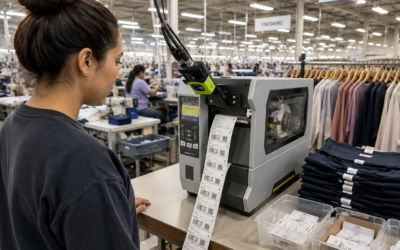
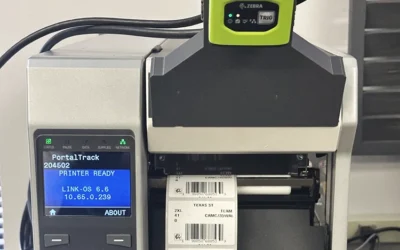
Computers made the process easier and more accurate, but still slow and subject to human error. This brings us to RFID, the next step in the evolution of identifying, tracking, and counting items. It takes the guesswork out of inventory and your supply chain, automating inventory activities and freeing up your employees for other tasks.
RFID Improves Retail Inventory Accuracy by 25%
A recent McKinsey report found that introducing RFID into a retail operation had the following impacts:
- Improved inventory accuracy by 25%
- Increased full-price sell-through by 1-3.5% due to better management
- Reduced inventory labor by 10-15%
- Reduced shrinkage and theft, raising revenue by up to 1.5%
RFID Boosts Efficiency of Store Operations and Customer Satisfaction
Once a product is associated with a tag, it becomes easier for checkout staff to manage and eligible for self-checkout and return. When all it takes is scanning an RFID tag, and if your customers can do it themselves, you have a streamlined operation and know exactly where everything is at all times. Your customers can accomplish what they need and continue with their day.
Custom RFID Systems From the Experts
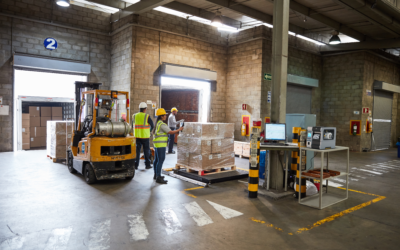
MSM Solutions has decades of experience designing and implementing RFID systems that reduce the work of managing multiple items through the entire supply chain cycle. You can track your items as they arrive in the warehouse, as they leave the warehouse, as they arrive at the store, and as they leave the store in the hands of a delighted customer.
Contact us today and talk with one of our knowledgeable representatives about your biggest challenges. You will reap the rewards of greater efficiency, and your employees will thank you for making every day Labor Day.